
 Home
Home
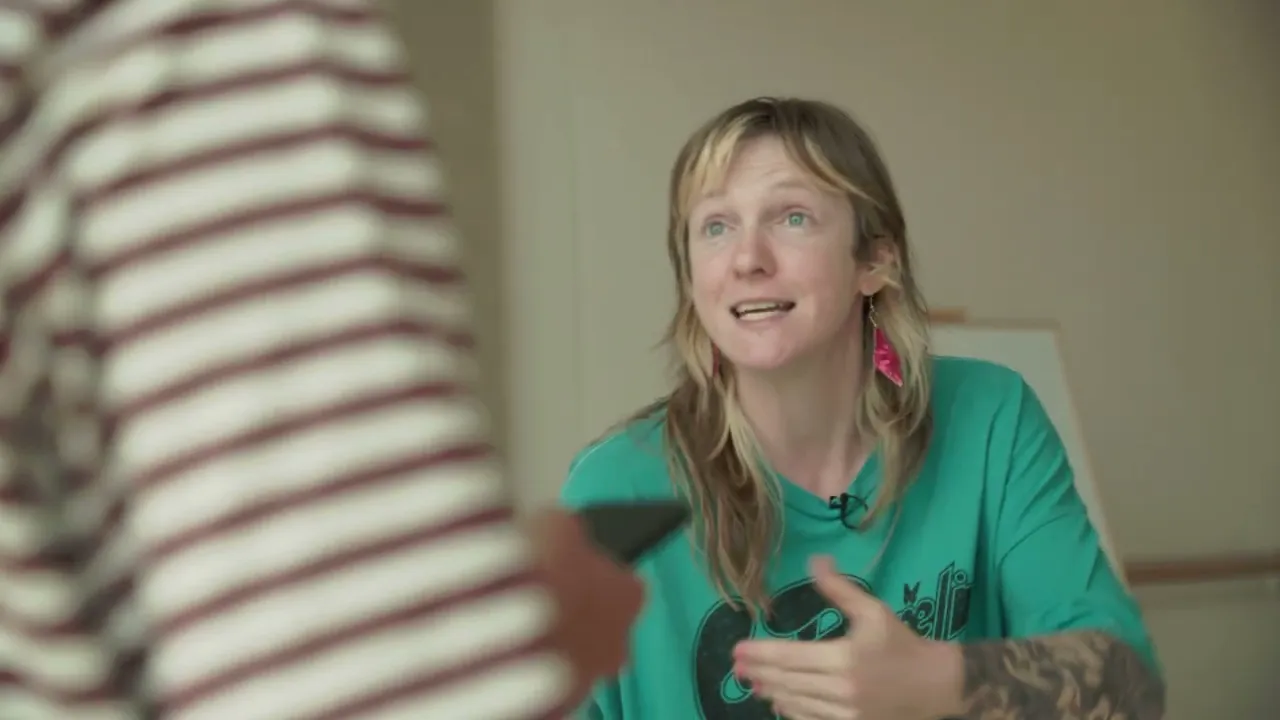
Catherine Dorion returns to the spotlight, this time in theatres.
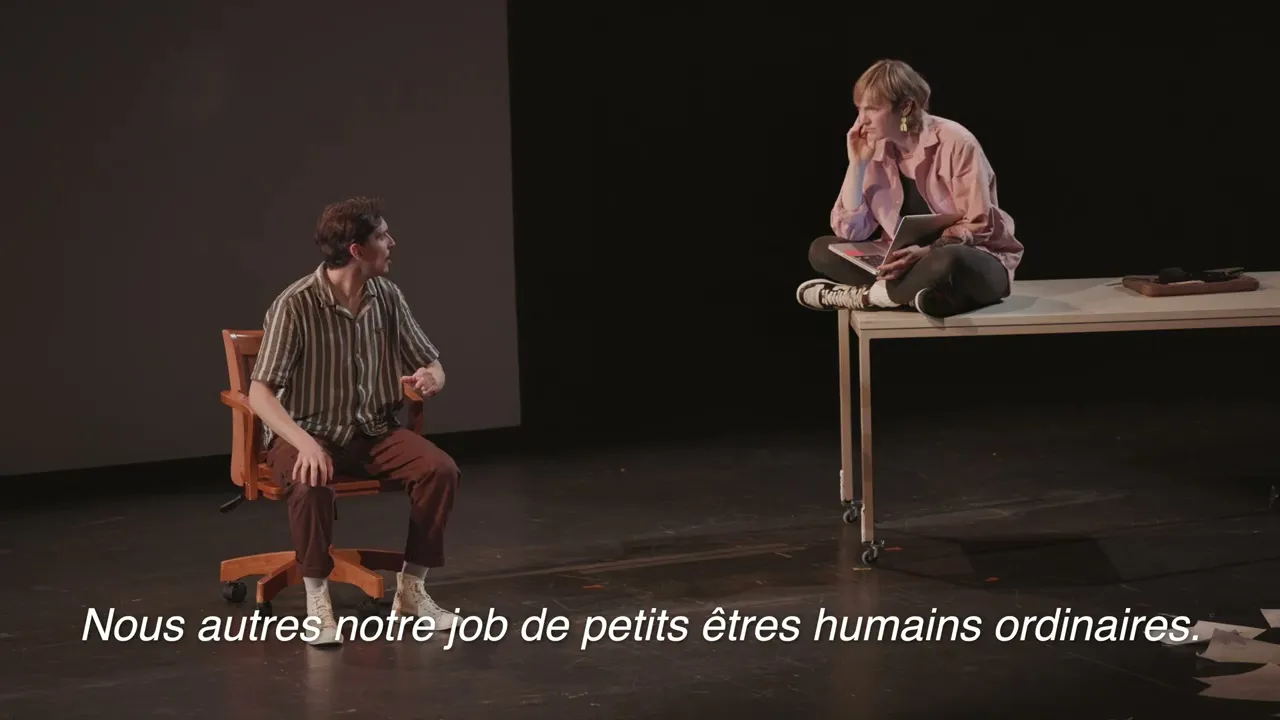
An immersive, interactive documentary created with award-winning director Alexandre Fecteau, and actor-creator Vincent Massé-Gagné.



May 13 and 14, 2026
2 performances
Catherine Dorion returns to the spotlight, this time in theatres.
An immersive, interactive documentary created with award-winning director Alexandre Fecteau, and actor-creator Vincent Massé-Gagné.
Stage direction
Alexandre Fecteau
Sciences Po 101, Traité d’insoumission à l’usage du vrai monde is written by Catherine Dorion and Vincent Massé-Gagné.
Production / Presentation
Nous sommes ici, Juste pour divertir


Ludovic Gauthier

Ludovic Gauthier

Ludovic Gauthier

Ludovic Gauthier
« Sur scène, Catherine joue son propre rôle. Touchante, allumée de ce feu ardent qui est le lot des bonnes actrices, Dorion brise le quatrième mur et interagit souvent avec le public. Un spectacle hybride, interactif, fort intéressant … »
« Pensez à un cours d’université rempli de matière passionnante et cruciale, un exposé magistral qui serait donné par une professeure particulièrement allumée et créative, une sorte de conférence TED qui permet à Dorion de puiser dans l’ensemble de son bagage universitaire, de l’art dramatique aux sciences politiques en passant par les relations internationales. »
« Un miroir tranchant de notre époque qui suscite une réflexion intéressante sur les enjeux politiques et sociaux actuels. »
« L’ex-députée solidaire ne fait pas dans l’espoir gnangnan, trop intelligente pour ça. Elle redonne plutôt le pouvoir au peuple impuissant en lui montrant quelques pistes. J’ai ri, j’ai opiné du bonnet, j’ai applaudi… »
In 1965, two men took the stage for a heated verbal sparring match in Cambridge, with the writer James Baldwin facing the conservative intellectual William F. Buckley Jr. The former dismantled the myth of the American dream, arguing that it was created at the expense of African-Americans. The latter defended the notion of the United States as a meritocracy, convinced that inequality comes down to individual effort rather than a history of oppression. Two visions of the world collided in a debate that has taken on mythic dimensions thanks to archival footage.
More than 25 years after its original release, Guillaume Corbeil and Marc St-Martin revisit Louis Saia’s film — based on an original idea by Richard Goudreau and a screenplay by Christian Fournier — by bringing it to the stage. It’s a chance to reunite with Quebec’s most famous hockey team (okay, maybe the second most famous…) and to remember the importance of mental toughness.

A strike is on at the sawmill, reeking of sweat and lust. Beyond the picket lines, hungry eyes turn to Querelle, a worker who is impossibly handsome, perfectly free, and perhaps dangerous. Under the eyes of Jézabel, one of the few female workers at the mill, his provocative presence stirs up masculine desire and virility. Bottles fly and bats swing as rage explodes into violence.
 Your favourites
Save your favourite events, enable email alerts, and share your list with friends and family.
Explore the programmingGet updates on your favourite events and share them!
Enter your information :
 Shared events
Your favourites



 Email
Email
 Facebook