
 Home
Home
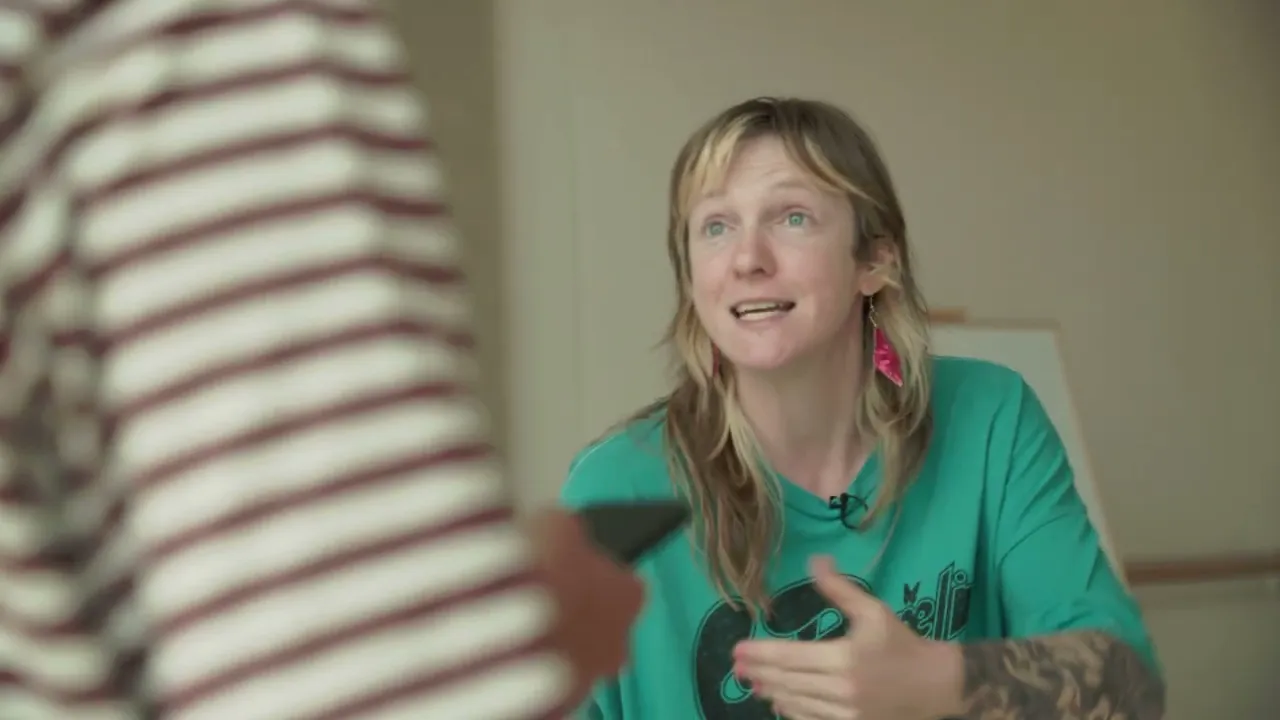
Catherine Dorion returns to the spotlight, this time in theatres.
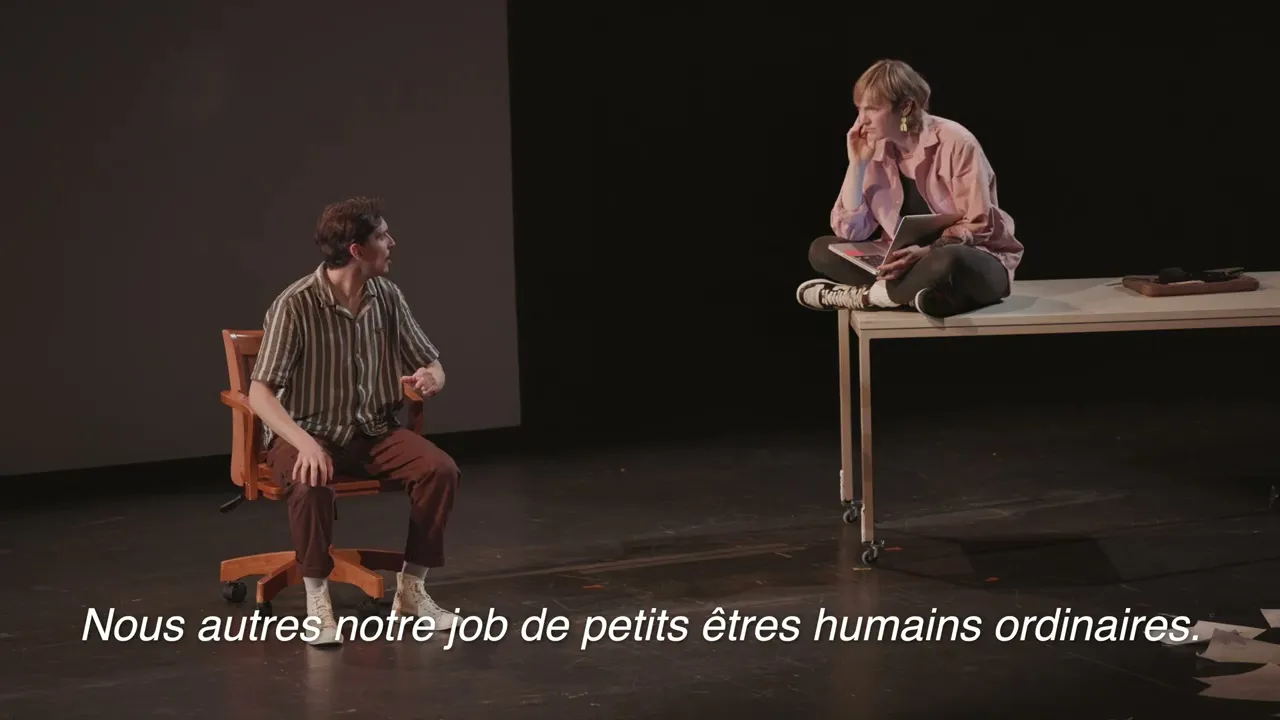
An immersive, interactive documentary created with award-winning director Alexandre Fecteau, and actor-creator Vincent Massé-Gagné.



Catherine Dorion returns to the spotlight, this time in theatres.
An immersive, interactive documentary created with award-winning director Alexandre Fecteau, and actor-creator Vincent Massé-Gagné.
Stage Direction
Alexandre Fecteau
Sciences Po 101, Traité d’insoumission à l’usage du vrai monde is written by Catherine Dorion and Vincent Massé-Gagné.
Production / Presentation
Nous sommes ici, Juste pour divertir


Ludovic Gauthier

Ludovic Gauthier

Ludovic Gauthier

Ludovic Gauthier
« Sur scène, Catherine joue son propre rôle. Touchante, allumée de ce feu ardent qui est le lot des bonnes actrices, Dorion brise le quatrième mur et interagit souvent avec le public. Un spectacle hybride, interactif, fort intéressant … »
« Pensez à un cours d’université rempli de matière passionnante et cruciale, un exposé magistral qui serait donné par une professeure particulièrement allumée et créative, une sorte de conférence TED qui permet à Dorion de puiser dans l’ensemble de son bagage universitaire, de l’art dramatique aux sciences politiques en passant par les relations internationales. »
« Un miroir tranchant de notre époque qui suscite une réflexion intéressante sur les enjeux politiques et sociaux actuels. »
« L’ex-députée solidaire ne fait pas dans l’espoir gnangnan, trop intelligente pour ça. Elle redonne plutôt le pouvoir au peuple impuissant en lui montrant quelques pistes. J’ai ri, j’ai opiné du bonnet, j’ai applaudi… »
Murray & Peter Present the return of WAR On The Catwalk hosted by Alyssa Edwards!

Fans of Monty Python, Mr. Bean, and Dr. Seuss… Grab your teacups!
“Micheline is my mother. She’s also my aunt. My first role models were women with auburn hair and penciled-in eyebrows. To differentiate them on New Year’s Day at the Vaudreuil parish hall, people called them “Robert’s Micheline” and “Yvon’s Micheline.”

 Your favourites
Save your favourite events, enable email alerts, and share your list with friends and family.
Explore the programmingGet updates on your favourite events and share them!
Enter your information :
 Shared events
Your favourites



 Email
Email
 Facebook